


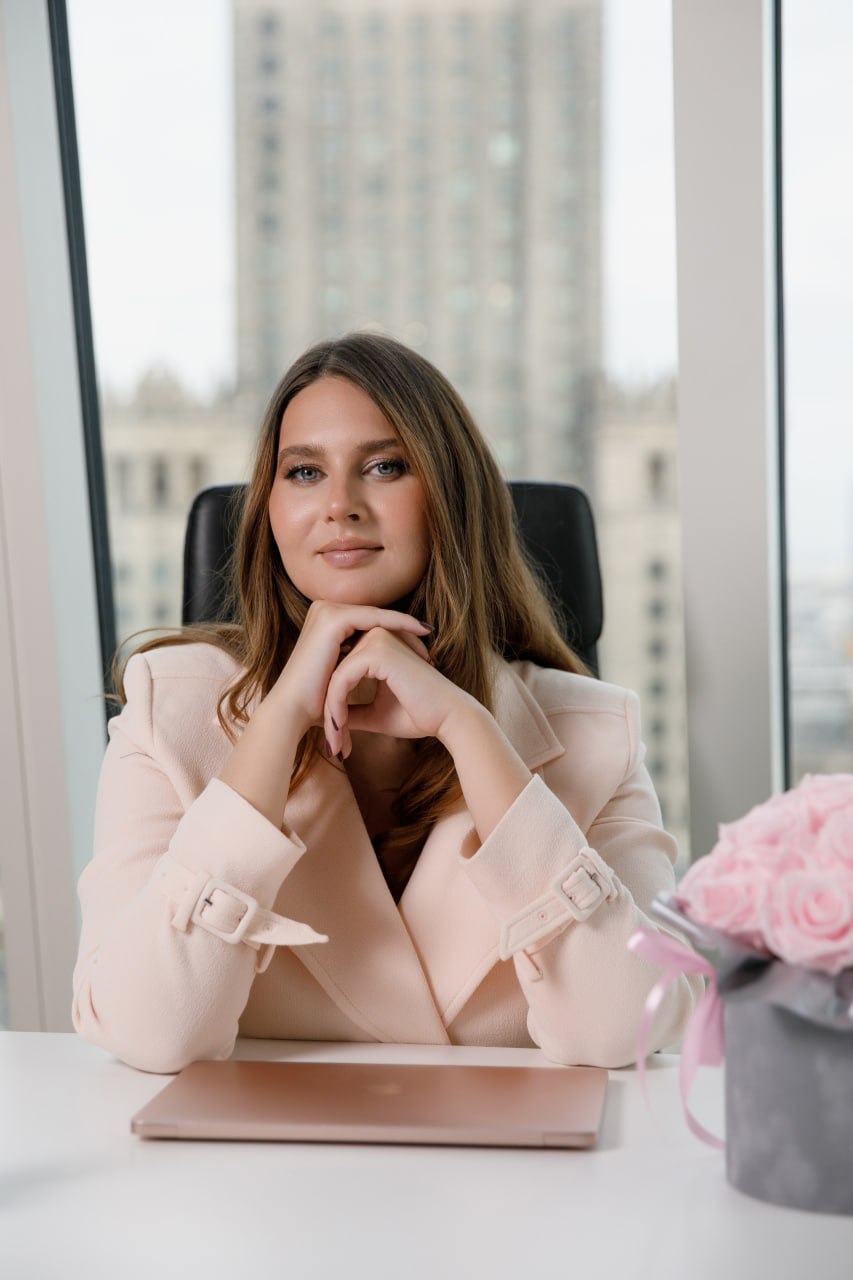
My job is to decide where the company goes and how it gets there, which at the moment means testing what AI can and cannot do for us. AI can make a recruiter faster and sharper. What it cannot do is speak to a candidate or to the person paying for the search, and I do not intend to let it try, because this job is human to human and that matters more now than it did before. The rest of my day is money, existing clients, and every mistake anyone here makes. If not me, then who.
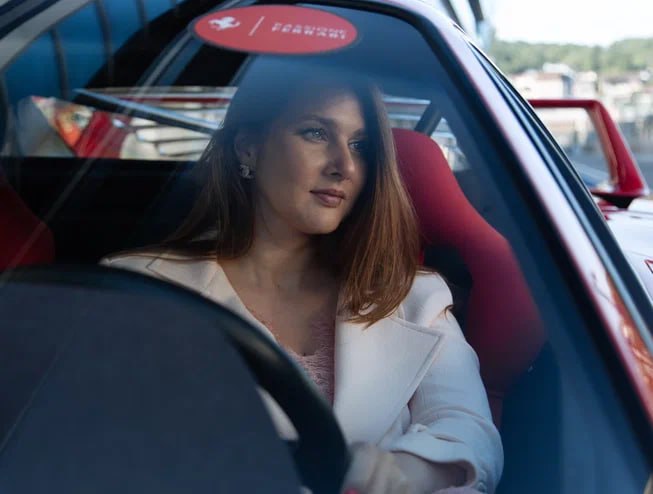
I studied financial investment at the University of Exeter and was on my way to private banking before I realised it was not for me. Sales was, and it sent me to Malaysia and Singapore, where I lived as well as worked. Then I ran a racing team round the most famous circuits in Europe. I had never done it in my life and had no business doing it. Recruitment came after that and kept me for more than a decade, because it is the hardest kind of selling I know: the deal has to close twice, and it can fail on either side.



We take on what we can actually close, and when a role is not one of those, the client hears it from me at the start rather than after the search has run its course. Market mapping and an honest picture of what a salary will buy are part of the work, not an extra line on the invoice, and so is telling a company what is going wrong in its own interview process.
I do not sell the company, I sell myself, and clients stay because they know exactly who answers when something goes wrong. There is also a line I hold whether or not it is written into a contract: nobody working for one of our clients is ever approached on behalf of another.
Outside the company I run the Nik Panuli Auto Museum, which carries my father's name. He always said a museum begins to die as soon as it stops developing, so I never let it stand still. The rest goes to two small children and to travelling, which is a polite way of saying I am rarely at home.
